Trust Crypto And Bitcoin Wallet – Understanding Trust Cry…

By Kathy MarxCryptocurrency Wallets Guide
Trust Crypto And Bitcoin Wallet – Understanding Trust Cry…
An easy-to-follow breakdown of Trust Crypto And Bitcoin Wallet, created to help readers quickly grasp the essentials.
December 2025 refresh — Trust Crypto And Bitcoin Wallet analysis curated by Kathy Marx.
Introduction to Cryptocurrency Wallets
Cryptocurrency wallets are essential tools for anyone looking to engage with digital currencies like Bitcoin and altcoins. These wallets store not only the digital coins but also the private keys necessary to access and manage your crypto assets. In this article, we will explore the concept of trust crypto and bitcoin wallets, their features, differences, and how to choose the right one for your needs.
What is a Trust Crypto Wallet?
A trust crypto wallet is a type of digital wallet that ensures a high level of security and reliability when managing cryptocurrency. Unlike traditional wallets, these digital equivalents hold the keys to your assets and enable you to send, receive, and sometimes exchange cryptocurrencies securely.
Trust crypto wallets are designed to provide users with enhanced security features, making them more appealing to individuals who are concerned about the safety of their crypto investments. By using a trusted wallet, users can mitigate the risks associated with theft, hacking, or loss of funds.
Bitcoin Wallets Explained
A Bitcoin wallet is specifically designed for storing and managing Bitcoin, the first and most widely-known cryptocurrency. Bitcoin wallets can come in different forms: hardware wallets, software wallets, online wallets, and paper wallets. Each type has its own unique advantages and disadvantages.
1. Hardware Wallets: These are physical devices that securely store your Bitcoin offline. They are considered the safest option because they are immune to online hacking attempts and malware. However, they can be expensive, and losing the device can mean losing access to your Bitcoin.
2. Software Wallets: These are applications or programs that run on your computer or mobile device. They provide more convenience than hardware wallets, allowing quick access to your Bitcoin. However, software wallets can be vulnerable to online threats if not properly secured.
3. Online Wallets: Often referred to as cloud wallets, these are hosted by third-party services. They provide easy access to your Bitcoin from any location with internet access. While convenient, online wallets are generally less secure than hardware or software options due to their exposure to hacking.
4. Paper Wallets: This method involves printing your Bitcoin private keys and addresses on paper. While they are immune to online threats, they can easily be lost, damaged, or destroyed, making them less favorable for long-term storage.
Understanding Private and Public Keys
Learn more about Trust Crypto And Bitcoin Wallet insights

To use a crypto wallet, it’s essential to understand the difference between private and public keys.
– Public Key: This is an address that you can share with others to receive cryptocurrency. It’s similar to an account number – anyone can see it, but it doesn’t give anyone access to your funds.
– Private Key: This key is a secure code that allows you to authorize transactions from your wallet. Just like a password, it must be kept confidential. If someone obtains your private key, they can access your funds.
Features of a Trust Crypto and Bitcoin Wallet
When selecting a trust crypto wallet, certain features can enhance your experience and security:
1. Security Features
The security of a wallet is paramount. Look for wallets that offer two-factor authentication (2FA), multi-signature support, and end-to-end encryption. These features help protect your investment from unauthorized access and potential hacks.
2. User-Friendly Interface
A wallet should be easy to navigate, especially for beginners. A straightforward and intuitive interface can make the initial learning curve less steep, allowing users to manage their cryptocurrencies with ease.
3. Compatibility with Multiple Cryptocurrencies
While you may start with Bitcoin, you may want to explore other cryptocurrencies later. Choosing a wallet that supports multiple assets can save you the hassle of transferring funds to different wallets.
4. Backup and Recovery Options
Ensure that your wallet provides robust backup and recovery options. In the event of device loss or failure, you should be able to recover your funds easily. A good wallet will guide you through the backup process and provide a recovery seed phrase for emergencies.
5. Community Support and Development
Explore the latest Trust Crypto And Bitcoin Wallet trends

A wallet backed by a vibrant community ensures regular updates and improvements. Checking for online forums, user reviews, and developer activity can give insight into the wallet’s reliability.
Choosing the Right Trust Crypto and Bitcoin Wallet
Selecting the right wallet can influence your cryptocurrency experience. Here are some steps to guide your decision-making:
1. Assess Your Needs
To begin, consider your primary use for cryptocurrency. Will you be holding your investments long-term, or do you plan to trade frequently? Your intended use will determine whether you need a hardware wallet for security or a software wallet for ease of trading.
2. Consider Security vs. Convenience
If security is your priority, a hardware wallet may be the best choice. On the other hand, if you require quick access for trading, a software or online wallet may better serve your needs. Balancing security and convenience is key to selecting the right wallet.
3. Research Wallet Options
Take the time to explore various wallets on the market. Reading user reviews and expert articles can provide valuable insights. Focus on wallets with a solid reputation and positive feedback from the community.
4. Test User Experience
Most wallets allow you to create an account and test the user interface. Experiment with the features offered, such as sending and receiving small amounts of cryptocurrency, to gauge your comfort level with the wallet.
5. Stay Updated
The cryptocurrency landscape is highly dynamic, with constant updates and new developments. Stay informed about security breaches or vulnerabilities associated with your wallet. Active involvement in the community can help you keep pace with changes.
Common Pitfalls to Avoid
When using a trust crypto and bitcoin wallet, there are several common mistakes to avoid:
1. Ignoring Security Protocols
Deep dive into Trust Crypto And Bitcoin Wallet research
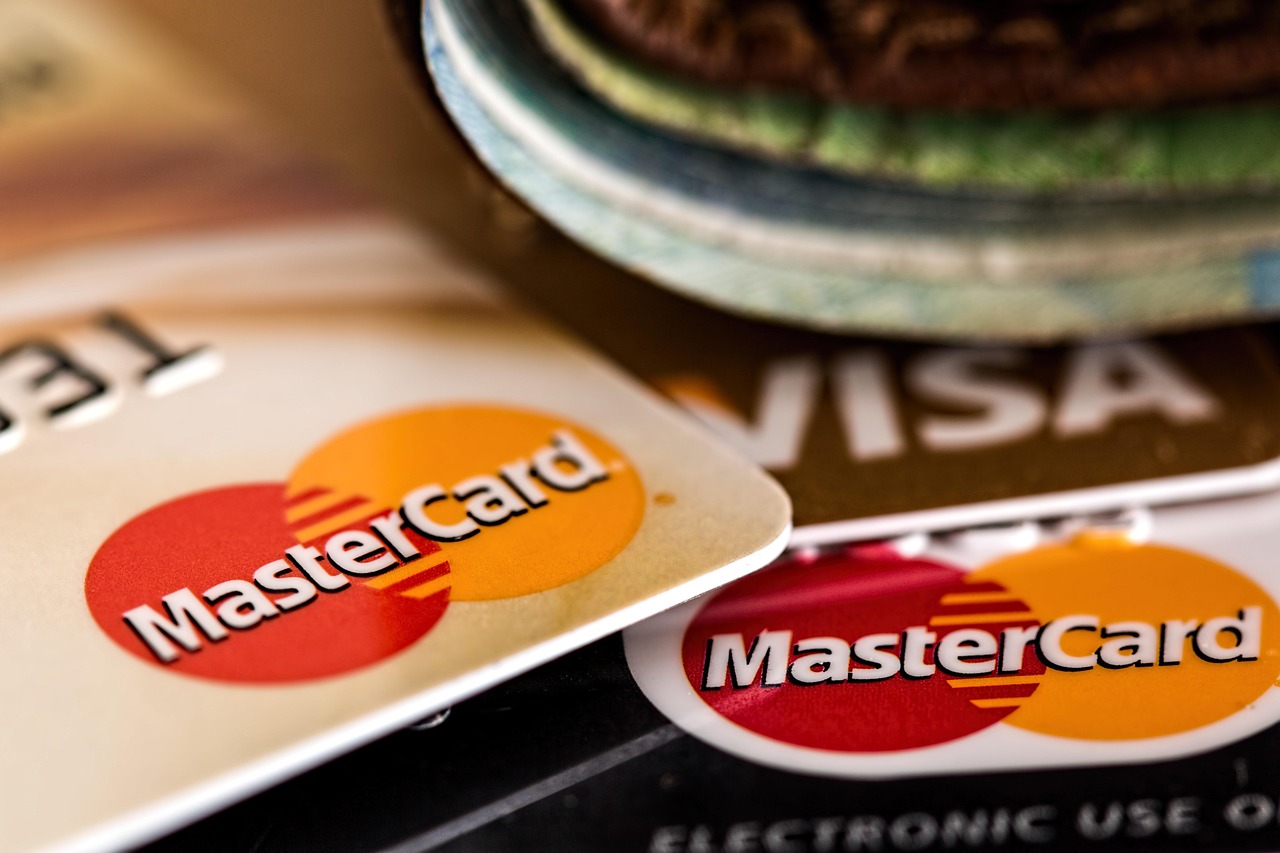
Always enable two-factor authentication, create strong passwords, and keep your software updated. Ignoring these security protocols can expose you to unnecessary risks.
2. Falling for Phishing Scams
Be wary of emails or messages that ask for your private keys or personal information. Scammers often use phishing tactics to trick users into giving away their sensitive data.
3. Not Backing Up Your Wallet
Regularly back up your data and ensure you have a recovery plan. Not having a backup can lead to irreversible loss of funds if something goes wrong.
4. Overlooking Transaction Fees
Different wallets and networks have varying transaction fees. Before executing transactions, it’s wise to check the associated costs, which can impact your overall investment.
Conclusion
Choosing a trust crypto and bitcoin wallet is a crucial step in managing your cryptocurrency assets. With various types of wallets available, understanding their unique features will allow you to select one that aligns with your needs. Whether you prioritize security, user experience, or compatibility with multiple cryptocurrencies, there’s a wallet suited to you.
As the world of cryptocurrency continues to evolve, staying informed and making educated choices will set you on the right path for safely managing your digital assets.
Supported by recent analyses and community feedback, this overview aims to help crypto enthusiasts and investors navigate the wallet selection process with confidence.
🔍 Top Takeaways
- Standardization efforts are helping define best practices around Trust Crypto And Bitcoin Wallet.
- Data-driven insights are improving long-term Trust Crypto And Bitcoin Wallet strategies.
- Continuous research highlights evolving Trust Crypto And Bitcoin Wallet patterns.
Who benefits most from using Trust Crypto And Bitcoin Wallet?
Trust Crypto And Bitcoin Wallet is especially beneficial for traders, analysts and investors who rely on structured market evaluation.
How does Trust Crypto And Bitcoin Wallet fit into a broader crypto strategy?
Trust Crypto And Bitcoin Wallet fits into broader crypto strategies by supporting analysis, timing decisions and risk awareness.
Is Trust Crypto And Bitcoin Wallet suitable for short-term trading?
Trust Crypto And Bitcoin Wallet can be applied to short-term trading when combined with real-time data and disciplined execution.


